


Concrete Tank Corrosion

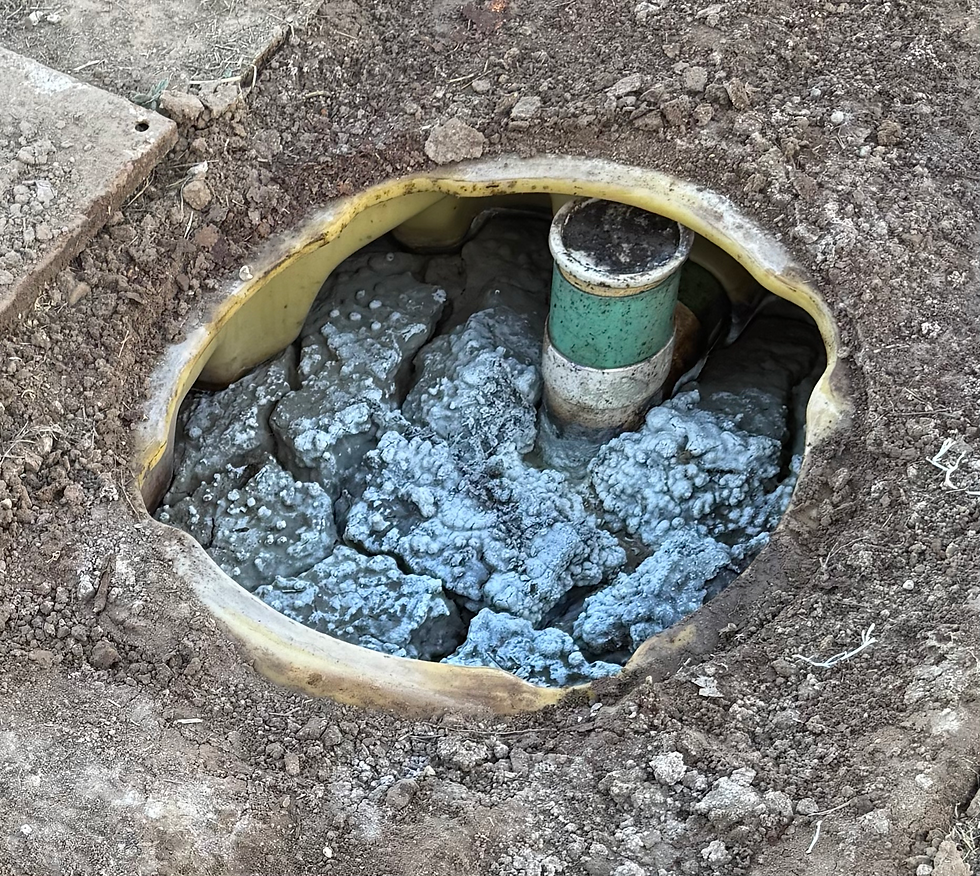
The 3 pictures below are tanks that we have been called out to that have failed due to H2S/sulfuric acid corrosion. As the septic system bacteria are breaking down the sludge in the bottom of the tank, they create a gas called hydrogen sulfide (H2S). When H2S comes in contact with moisture, it converts to sulfuric acid. This acid reacts with the calcium molecules in concrete to produce calcium sulphate and water. The corrosion significantly weakens the tank structure, to the point the tank lid will soften and in some cases cave in.
The consequence of concrete tank corrosion: If the tank structure weakens too much and the lid caves in under the soil pressure, a new septic tank may be required.
How do we prevent/slow the concrete corrosion?
These two solutions go hand in hand: Install above ground level access to adequately monitor corrosion, and have your septic tank inspected or pumped every 3 to 5 years as recommended by TCEQ and the EPA.


Comments